
Finding Banning Residents in Records
Banning sits in the San Gorgonio Pass as an incorporated Riverside County city. One resident search can cross city, county, court, library, and state systems. Start from the clue you hold. Match the clue to the keeper. An address belongs with the Riverside Assessor property search and Map My County. A recorded transfer names a person as grantor or grantee in the Assessor-County Clerk-Recorder index. A court tie points to the Riverside Superior Court portal. Older households may sit in a Banning telephone reel, census schedule, newspaper, or obituary instead.
These records do not make the same claim. An assessor parcel describes property and may show an owner or a mailing route. A voter result reflects one person's own registration and carries a permitted-use rule. A phone listing names a subscriber for a single issue. It does not list every adult in a home. Searchers who keep those lines clear avoid joining two strangers who share a name. They also avoid mistaking an owner for an occupant.
- Write down the known name, street, parcel clue, date range, and spelling variants.
- Start with Banning SmartGov for an address, APN, or primary-owner display name, then verify the parcel with Riverside ACR.
- Use the Riverside recorder index for a party search, deed, lien, easement, or related clerk document.
- Check the Riverside court index, official license and business searches, or a lawful personal voter-status route when the question is about one person.
- For a past household, pair the Library of Congress Banning telephone reels with census, newspaper, probate, and deed evidence.
A narrow California Public Records Act request works better than asking for a complete resident list when a city file is identifiable but not online. Give the custodian an address or APN. Name the record series and a tight date span too.
The Banning Offices Behind Resident Records
Four desks anchor the Banning records trail. City Hall holds municipal documents, permits, planning files, and city requests. Riverside ACR splits assessment data from recorded instruments and clerk records. The Registrar of Voters controls registration access. The Superior Court runs case indexes and copies countywide. A local Justice Center sits in Banning. Each desk answers a narrower question than a general people search. That is why the keeper matters.
Riverside ACR
880 N. State St., Suite B-6
Hemet, CA 92543-1496
951-486-7000
Riverside Registrar of Voters
2720 Gateway Drive
Riverside, CA 92507
951-486-7200
Banning Justice Center
311 E. Ramsey Street
Banning, CA 92220
Countywide portal
The city custodian details are listed by the Banning City Clerk.
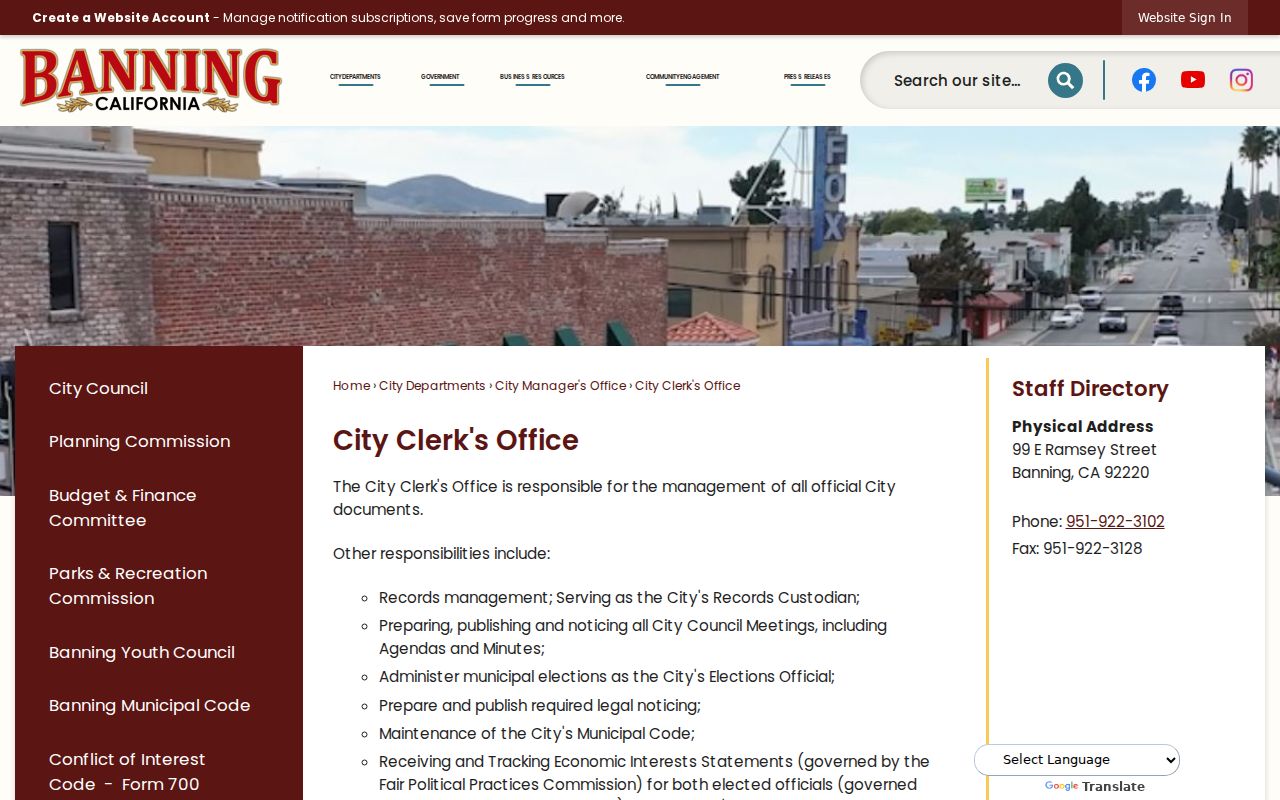
Start municipal records with the City Clerk. Deeds and county certificates belong with Riverside ACR instead.
Riverside ACR's general service office in Hemet handles recorder and clerk copies, marriage and vital services, and assessor map or form help. Pre-1974 recorder research belongs at Riverside Gateway in Riverside. Banning City Clerk requests can start in the city's Laserfiche library or NextRequest archive. Court access stays countywide. Even a case heard at the Banning Justice Center runs through the county portal.
Why Banning SmartGov Starts an Address Search
Banning's SmartGov parcel search is a local exception. Riverside suppresses owner names on its standard public assessor form. SmartGov's single field accepts a parcel number, street address, or owner name. Owner mode uses starts-with matching. It returns paginated cards. A card can show an APN in the city's format, a situs address, city and ZIP+4, and a primary-owner display name. It also links to parcel detail or public application notes.
| Parcel number | Searches the city parcel identifier and leads to the parcel card. |
|---|---|
| Address | Uses the situs or street field; some results read “NO SITUS ADDRESS.” |
| Owner name | Matches the displayed primary-owner field with starts-with behavior. |
| Result card | May show APN, situs, city, ZIP+4, primary-owner display name, and public notes. |
The display name comes from a city application or parcel dataset. It is a useful bridge from an address to a possible name, not the legal assessment roll. Confirm ownership, vesting, and the instrument number through Riverside County Property Search and the recorder index before treating the match as a property fact.
The Banning NextRequest archive is a second local lead. The research sweep found more than 4,000 prior requests visible in its archive, with Search, Make Request, and sign-in controls. A released permit or planning file may connect a parcel to an applicant, project date, contractor, or scope, but it is not a household roll.
The city’s public request system is shown at the Banning NextRequest source used for the directory research.
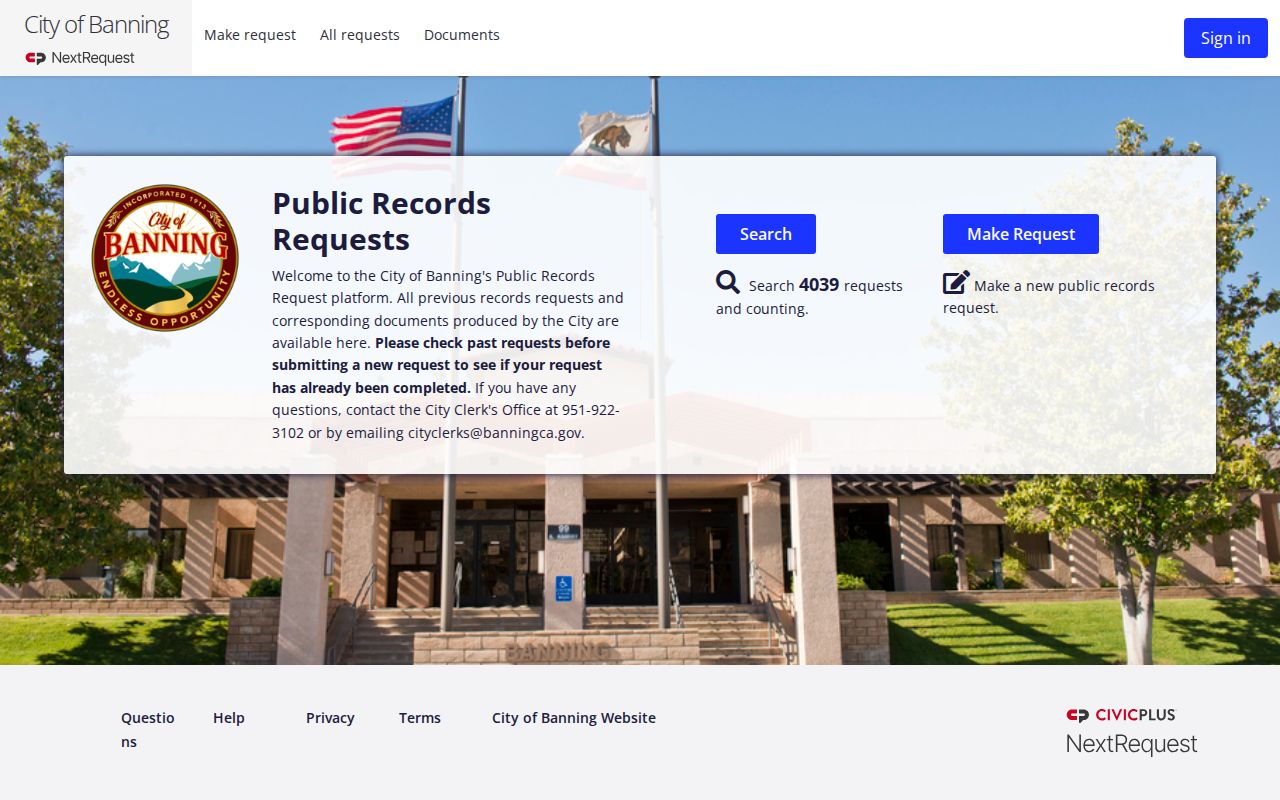
That portal earns its keep when a parcel clue needs a city document. Name the address or APN. Add the record type and a date span, and the clerk gets a workable search instead of a request for an undefined resident list.
Using the Banning Property Search Correctly
Riverside's public assessor search is built for APN, PIN, and property-address queries. It offers no public owner-name box. A street start takes the number and street name. On an assessment or PIN route, use the first nine digits. Leave off the dash and check digit. A parcel result can include situs, APN or PIN, legal description, values, transfers or sales, and map or permit links.
- APN
- Assessment parcel number used to locate the county property record.
- PIN
- Enter the first nine digits only, leaving out the dash and check digit.
- Property address
- Use a street number and street name, such as 123 Main.
- Owner name
- No public owner-name field appears on the standard county web form.
A parcel carries two addresses. The situs address points to the land or building itself. The mailing address is simply where tax notices travel. Those two can differ. A different mailing address might mean an owner living elsewhere, a preferred contact point, or an entity rather than a person. Either way, it never accounts for everyone connected to the parcel. When the web form is too narrow, the county falls back to public service terminals and microfiche at the office.
The Riverside ACR assessor services page lays out maps, public terminals, property information, transfer reports, and bulk data. Take a roll question through the current office route. Go to the recorder for a deed image.
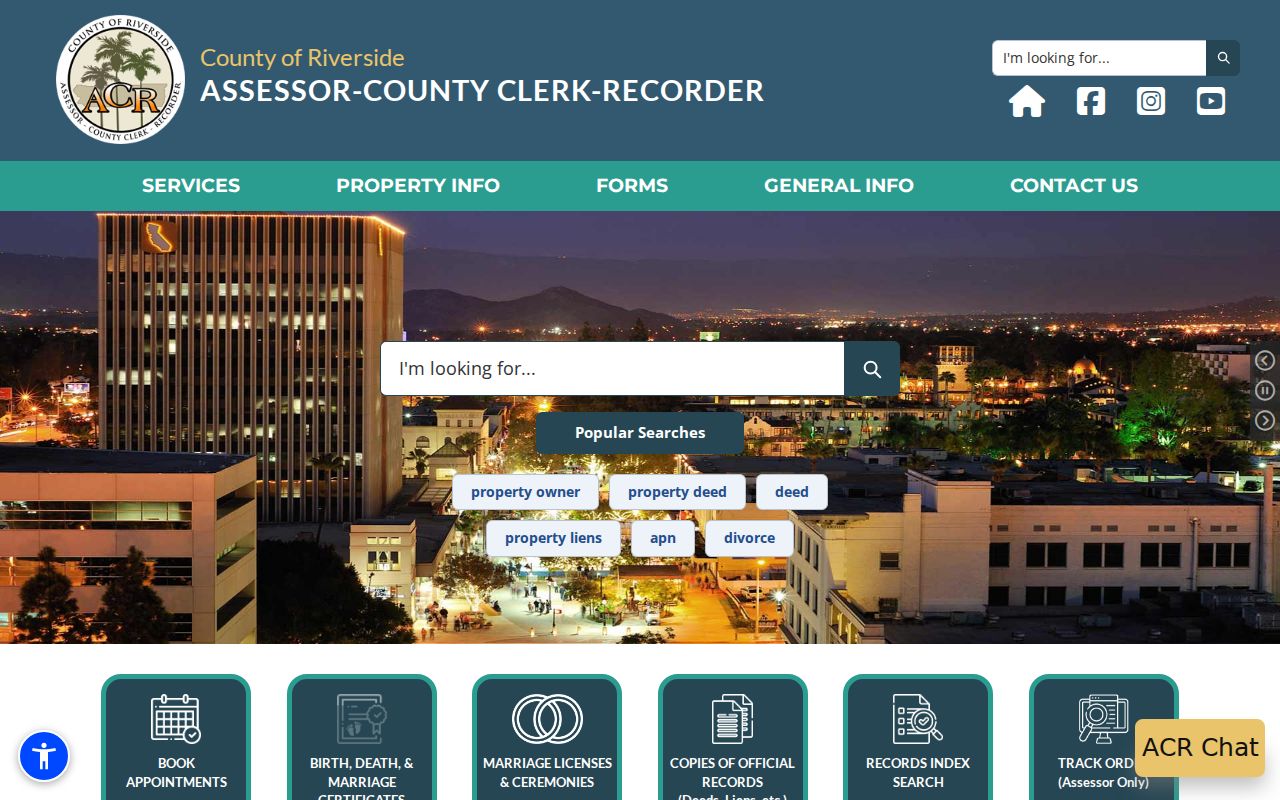
The assessor view is a bridge. It turns a Banning street into parcel numbers. Read it beside the city GIS layer and the recorded document, never as a full roster of who lives at a house. Tax bills are a separate lane handled by the Riverside Treasurer-Tax Collector portal.
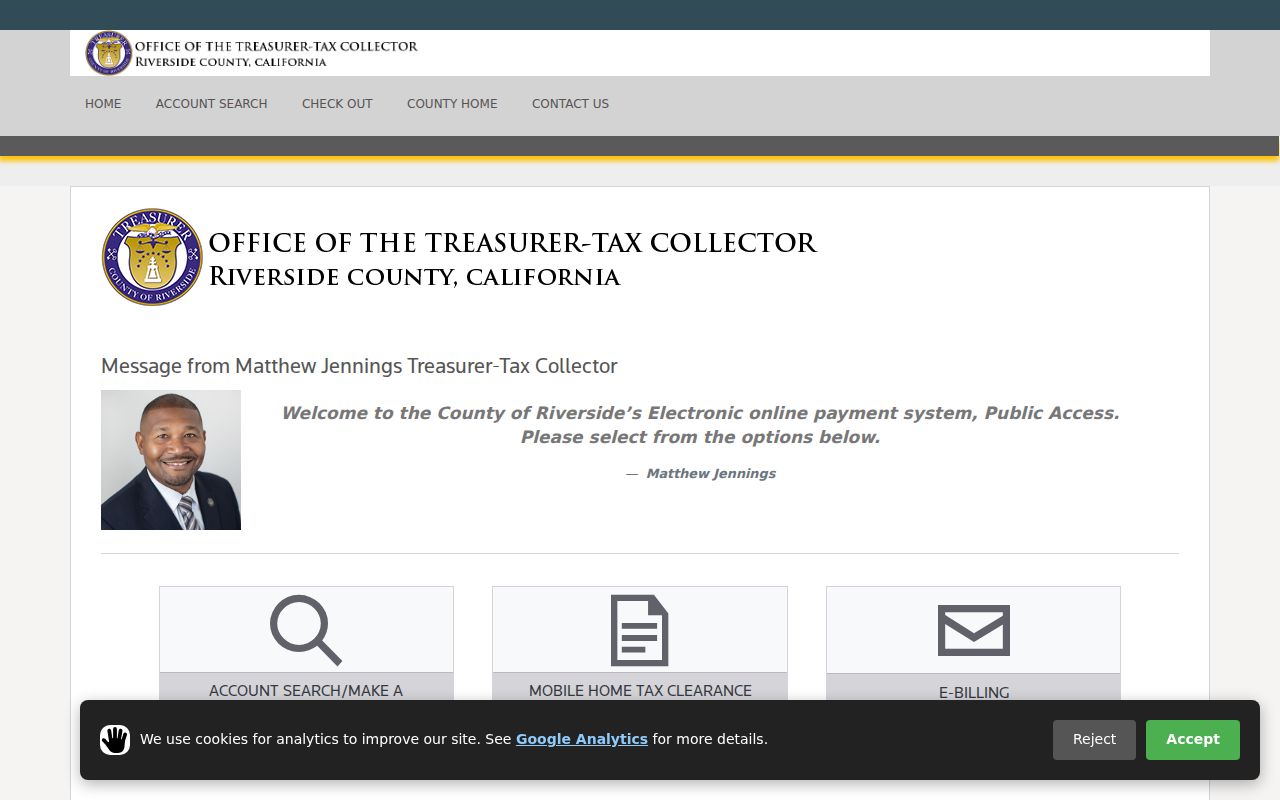
That portal can pin down a bill or a payment path. It is not a residents directory. Treat it as a tax tool only.
Current Banning Resident Directory Sources
Think of current sources as fragments of a residents directory. Each one records a role, an event, or an institutional tie. The source column shows what a result can support. The access column keeps the limits in view.
| Source | Who or What It Lists | Keeper | Access |
|---|---|---|---|
| SmartGov parcel search | Parcel and primary-owner display name | City of Banning | Free public search |
| Assessor property search | Parcel, assessment, situs, and map data | Riverside ACR | Free APN or address route |
| Recorder index | Grantors, grantees, document roles | Riverside ACR | Free index, paid copies |
| Voter status and file routes | A person’s registration status or approved extract | Riverside Registrar | Authenticated or permitted use |
| City staff directory | Public employees and office contacts | City of Banning | Free online |
| License and business indexes | Public professional or entity affiliation | California agencies | Free search, detail varies |
A name search works best when two independent roles line up. A recorder party, for instance, can lead you to a legal description, while a license or business filing offers a different public address. Voter rolls are not a casual way to browse a street. For evidence on a single person, follow the dedicated Banning resident lookup workflow.
The Banning Recorder's Online Date Break
Riverside's online coverage has an archival split worth knowing. Clerk documents are indexed from January 1, 1893. Recorder documents start January 1, 1974. The web cutoff does not mark the start of land history. It marks where the online recorder index becomes dependable for a search. Anything earlier lives in deed books reached through an office, an archive, FamilySearch, or a library.
The Self-Service landing page offers Name Search, Document Number Search, Document Type Search, Map Type and Book/Page Search, and Advanced Search. Names follow Last First MI. Exact Match and Wildcard modes can each be loosened one at a time. The index itself is free. An ordered copy costs $8 for the first page and $1 for each later page of the same document, with $2 for certification per document. Copy orders are not refundable once made, per the portal's own warning.
After payment, online orders can be mailed out. An in-office order instead uses the SST order number. Online copies average about 48 hours of processing, by the office's own description. Mail requests go to the Certified Section at P.O. Box 751, Riverside, CA 92502-0751, and should name the document type, the parties, an estimated date, and the APN if the number is unknown.
Remember that a web index result is only a clue. The image is what supplies the legal description, the signatures, and the return address, with protected material redacted as required. To keep assessor, recorder, and clerk questions from landing at the wrong desk, check the Riverside public and official records page.
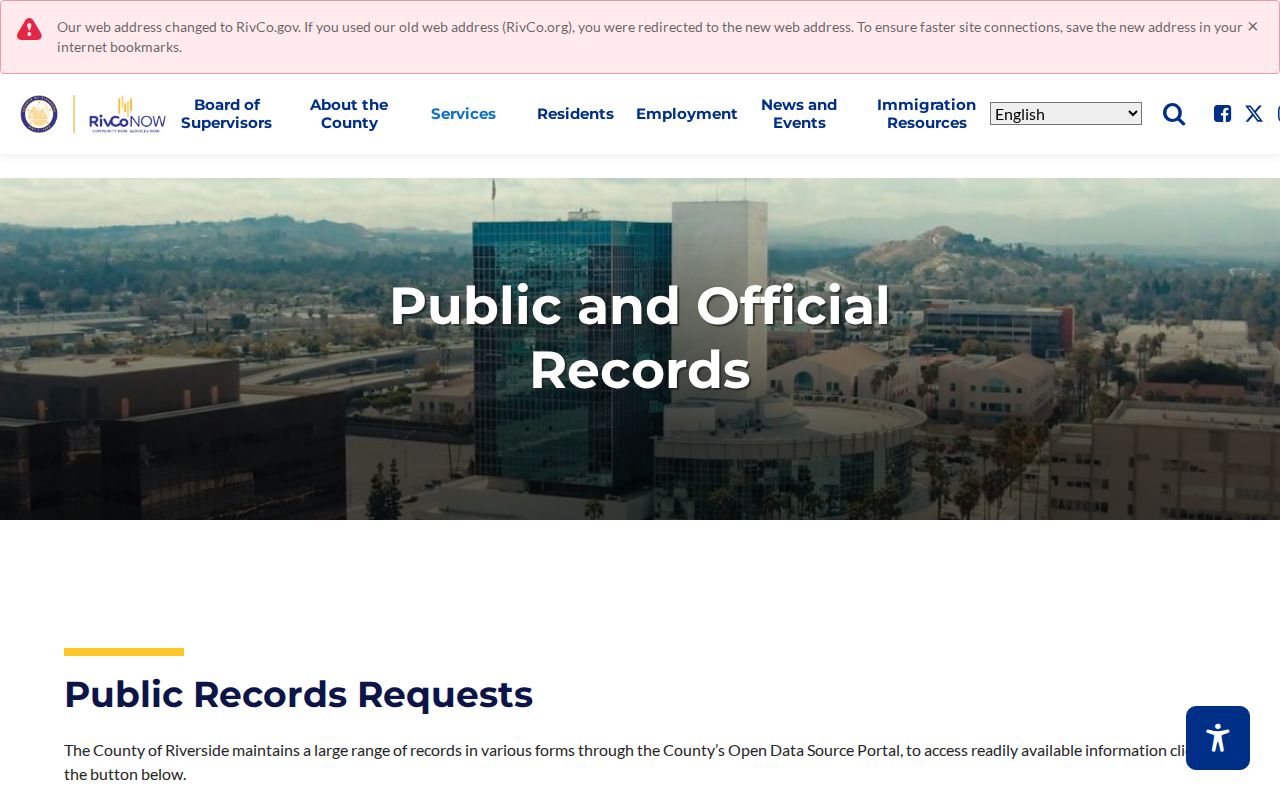
That routing page sorts out assessor, recorder, clerk, court, and vital-record questions first. It saves a request from the wrong desk.
Banning Court Name Search Needs Context
The Riverside Superior Court Public Portal spans civil, probate, family, criminal, and traffic information. All of it is subject to access rules. An account is required first. Searching by a known case number is free. Name searches are different. Civil and criminal/traffic name searches draw on paid credits. One credit opens up to ten cases. Accessible documents cost $1 per page for the first five pages. After that they cost $0.50 per page, capped at $50 per document. The portal also caps activity at 30 searches or case lookups in five minutes.
- Criminal and traffic name index
- Banning coverage begins November 1996. Save the case number and party role.
- Family law
- Almost all cases from April 1992. Save the case number and filing date.
- Probate
- Almost all cases from July 1994. Save the case number and register entries.
- Older or nonindexed matter
- Use a clerk search or RI-MC002 fallback with names, case type, and date range.
The economical move is simple. Buy a name search only long enough to find the right case. Then come back by case number. Sealed, confidential, and juvenile matters may be missing online. Riverside also stopped allowing third-party DOB narrowing for criminal and traffic searches on October 11, 2024. It no longer permits driver-license narrowing either. Before a result feeds into a Banning resident lookup, check the case type. Check the date and the party role too.
Banning Vital Records Follow Copy Rules
Birth, death, and marriage certificates are not an open name database. Riverside University Health System handles current and immediately preceding-year county births and deaths. Riverside ACR covers the older county events. The California Department of Public Health serves as the statewide channel. The right form depends on the record. It also depends on the copy type.
- Birth or death
- RUHS handles recent events, ACR older events, and CDPH offers the statewide route. Informational copies are public; authorized copies require eligibility and a sworn statement.
- Public marriage
- Use Riverside ACR or CDPH for the license county and current informational-copy route.
- Confidential marriage
- Use the county that issued the license. A party or court order is required; there is no ordinary public copy route.
- Divorce certificate
- CDPH covers the 1962 to June 1984 certificate route, while the court keeps the decree. The certificate is not the judgment or its terms.
Anyone can request an informational certified copy. But it is marked not valid to establish identity. An authorized copy can establish identity. But the applicant must fit a statutory category and generally sign a sworn statement. Confidential marriage records are narrower still. Depending on the record, expect to supply event dates, names, city or county, and parents' birth surnames. Some orders also call for relationship, a signature, payment, and a notary block.
Banning Voter Records Are Purpose Limited
California’s registration-status tool exists for a voter checking their own record. The live form takes first name, last name, and date of birth. It also runs conditional identity matching against a driver-license or state-ID number, or the last four Social Security digits. A match can return registration status, party preference, county, and districts. It can also return voting location, vote-center information, and ballot preferences. It will not open every voter at an address.
Elections Code sections 2187 and 2194 define the index. They limit voter-registration use to permitted political, governmental, scholarly, journalistic, and election purposes. Driver-license and signature data, Social Security information, and protected addresses stay withheld. A full Riverside extract requires an applicant, purpose category, geographic scope, requested fields, recipients, storage plan, certification, and signature. No casual Banning street list counts as an approved shortcut.
For a personal check, use the California registration-status route. The Riverside Registrar, reachable at 951-486-7200, handles county instructions. Historical Great Registers held by archives or libraries are a separate source. They should not be confused with the current authenticated lookup that a Banning residents directory search would point to.
Focused Banning CPRA Requests Fill Gaps
California's Public Records Act, Government Code section 7920.000 and following, opens the door to anyone. No special form is needed in most cases. No stated purpose is required either. Any person may ask for an existing, identifiable record. Banning generally decides within 10 days whether responsive disclosable records exist. Unusual circumstances permit a written extension of up to 14 more days under section 7922.535. That deadline marks a determination. It is not a promise that a large file lands the same day.
City records start with the 24/7 Laserfiche library. The published-request archive lives in NextRequest. If email does not work, send the paper request form to the City Clerk, P.O. Box 998, Banning, CA 92220-0998. Give a street address or APN, a document type, and a start and end period. The form asks for name, phone, email, address, preferred response method, and a document description. A signature and the date complete it.
Routing matters here. The city expressly does not hold deeds, easements, birth, marriage, or death records. Those belong to Riverside ACR. Fire and hazardous-material records may sit with CAL FIRE. Gas records may sit with SoCalGas. Some building records may sit with Riverside Building & Safety. Getting the right office is part of the search, not a clerical afterthought.
The Banning city records page carries the Laserfiche public records route.
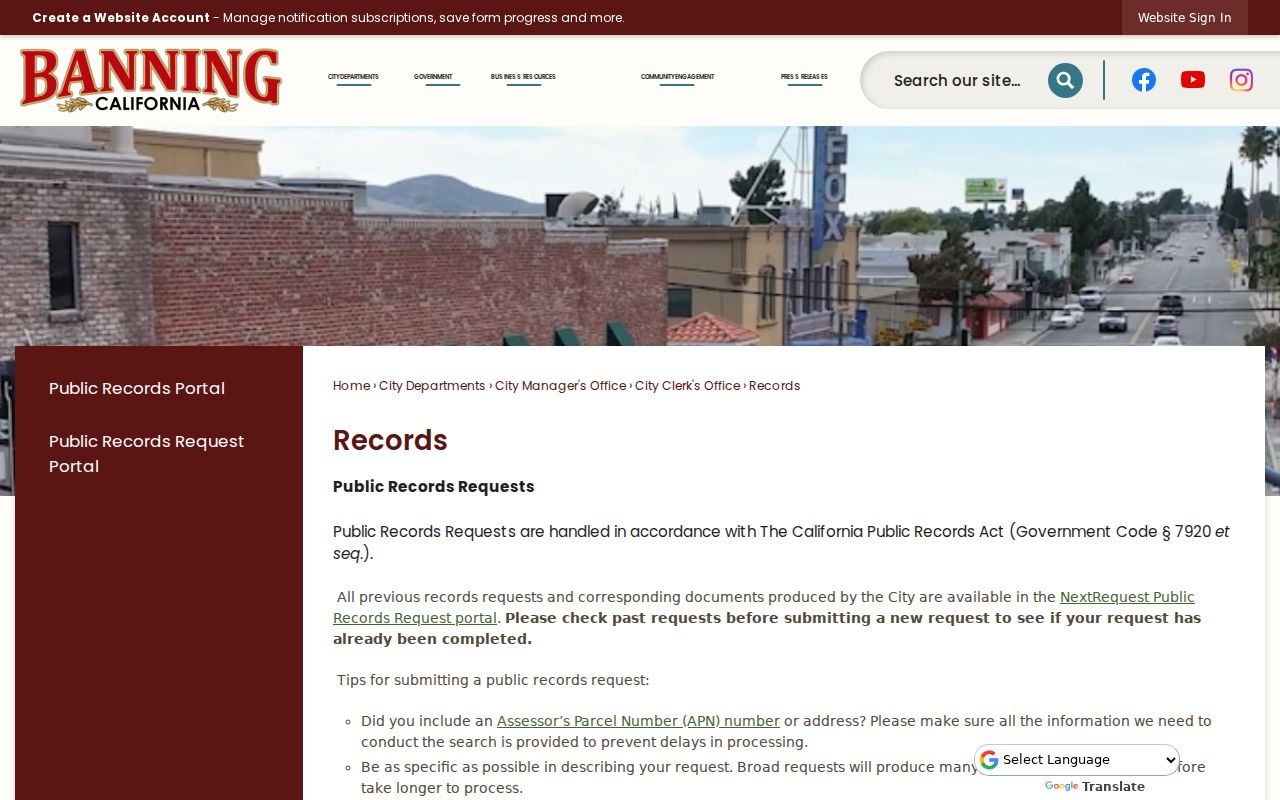
A well-aimed request can pull an existing permit register, planning file, council record, or map. Along the way it preserves exemptions that shield complaint sources and protected personal data.
Banning Business, License, and Property Clues
A resident lookup sometimes needs another identity anchor. Public business and professional records can supply one without pretending to prove residence. The California Secretary of State's bizfile search takes an entity name or file number. It can show status, formation date, jurisdiction, and street and mailing addresses. Agent, filing history, and managers or officers may also appear where published. The Department of Consumer Affairs search accepts board, license type, number, and business name. First name, last name, city, and county work too. Status and discipline links vary by board.
Riverside FBN filings tie a sole proprietor or assumed business name to a filed address. The State Controller's unclaimed-property search works from a surname or business name. A first name and a location can narrow it further. A result may show an owner name, locality, reporting business, property type, and claim identifier. Treat that as historical association evidence. It is not a current address or proof that a person lives in Banning.
Compare across sources. Match the exact name, entity number, license number, filing date, and public address. A business relationship can explain why a name shows up in a city permit. It can do the same for a recorder document. A professional license can separate two people who share a name.
Historical Banning Resident Directories
The strongest verified historical resident source is the Library of Congress telephone-directory collection. One Banning reel spans January 1938 through December 1949 and holds 362 images or files. A second covers December 1950 through January 1959 and holds 637. Both offer page images, OCR, complete PDF or structured downloads, and IIIF. Keep in mind they are telephone listings, not confirmed Polk-style city directories.
A typical white-page entry lists surname, given name or initial, a street address, and an exchange or telephone number. It may also add spouse or business designations. Yellow pages group businesses by category. Occupancy marks and occupation fields have not been verified for the Banning reels. Search the OCR first. Then inspect the image, because columns and abbreviations can defeat text recognition.
The nearest census comparisons are 1940 and 1950. Both are public under the National Archives 72-year release framework. A phone listing can bracket a subscriber's presence in Banning. Disappearance might mean a move, a death, an unlisted number, or a service change. Deeds and obituaries help sort those possibilities. Older research may also call for San Gorgonio Pass, Rancho San Gorgonio, Beaumont, Cabazon, or predecessor-county catalog terms.
The Banning city directory collections page walks the historical shelf and reel workflow in detail.
Protecting a Banning Address From Misuse
Privacy protections reach both government records and commercial databases in California. The Secretary of State runs the Safe at Home program. It gives eligible participants a substitute mailing address. It shields the real one within the program's rules. Nobody doing a Banning residents directory lookup should try to get around that shield. Voter files carry their own use restrictions. Recorded documents can also qualify for redaction when a Social Security number was displayed unlawfully. Government Code section 27300 and the sections that follow it govern that relief.
The California Privacy Protection Agency operates a central opt-out called DROP. It sends one deletion direction to every registered data broker at once. It cannot erase a deed, an assessor record, a court filing, or a Banning city document. Its custodian still holds that record. A source error gets fixed the old-fashioned way. You go to the assessor, the court, the vital-record office, the licensing board, or whichever keeper created the record.
Riverside ACR issued a warning on March 25, 2026. It concerned private letters demanding payment for property profiles or deed copies. The county does not require that route. Confirm the document number and order straight from ACR at 951-955-6200. Suspicious consumer conduct has a proper outlet. The California Attorney General consumer complaint channel is the right door to knock on. The California DROP announcement documents the statewide privacy tool.
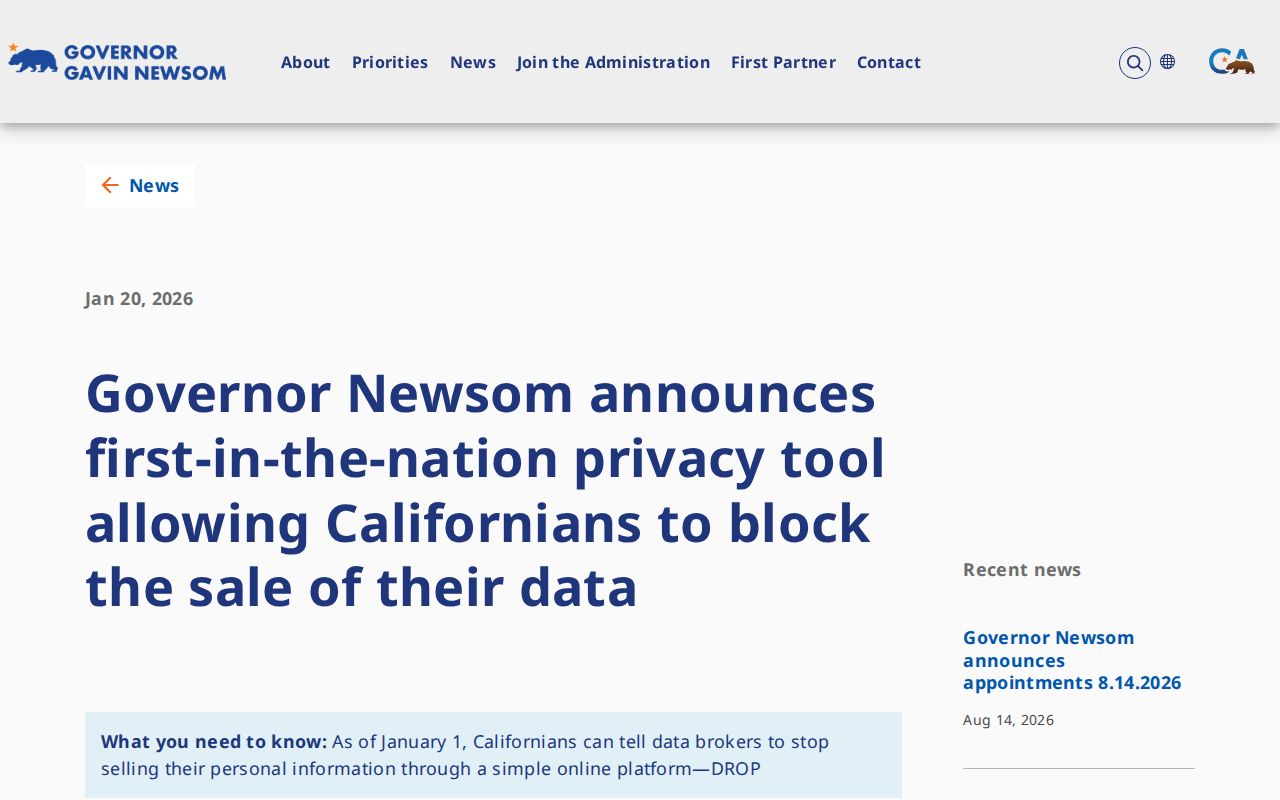
DROP directs data brokers. It does not erase archives. Keeping that line clear protects privacy and keeps any Banning resident lookup honest, since the county's own records stay untouched by a broker deletion request.
The California Attorney General CCPA guidance summarizes both the privacy rights and the source-record distinction.
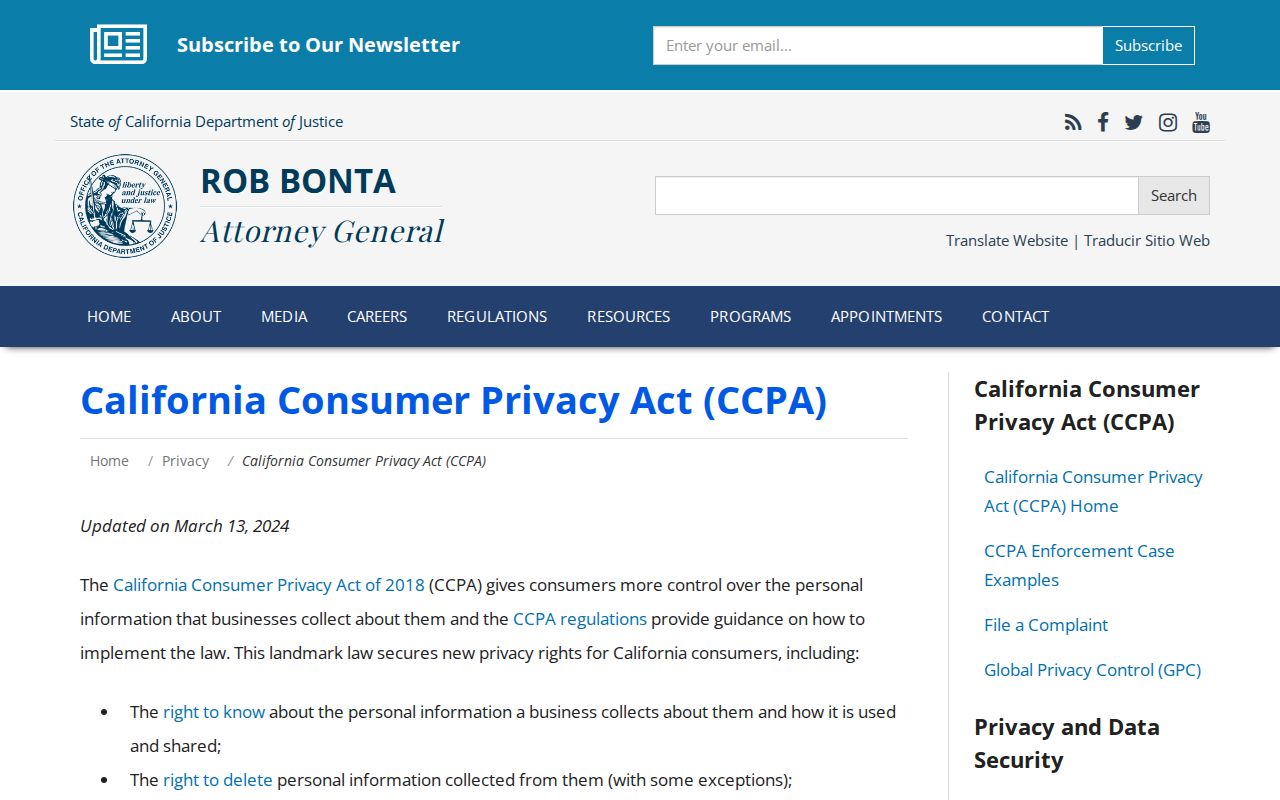
That guidance covers businesses and personal-information rights. It does not rewrite a county deed or assessment record. A recorder or assessor still holds that record. A retained Riverside parcel file, for example, stays as it is.
Suspicious commercial conduct can be reported through the California consumer complaint form.
Filing a complaint is separate from fixing the record itself.
The Assessor-County Clerk-Recorder notice carries Riverside's property-record warning.
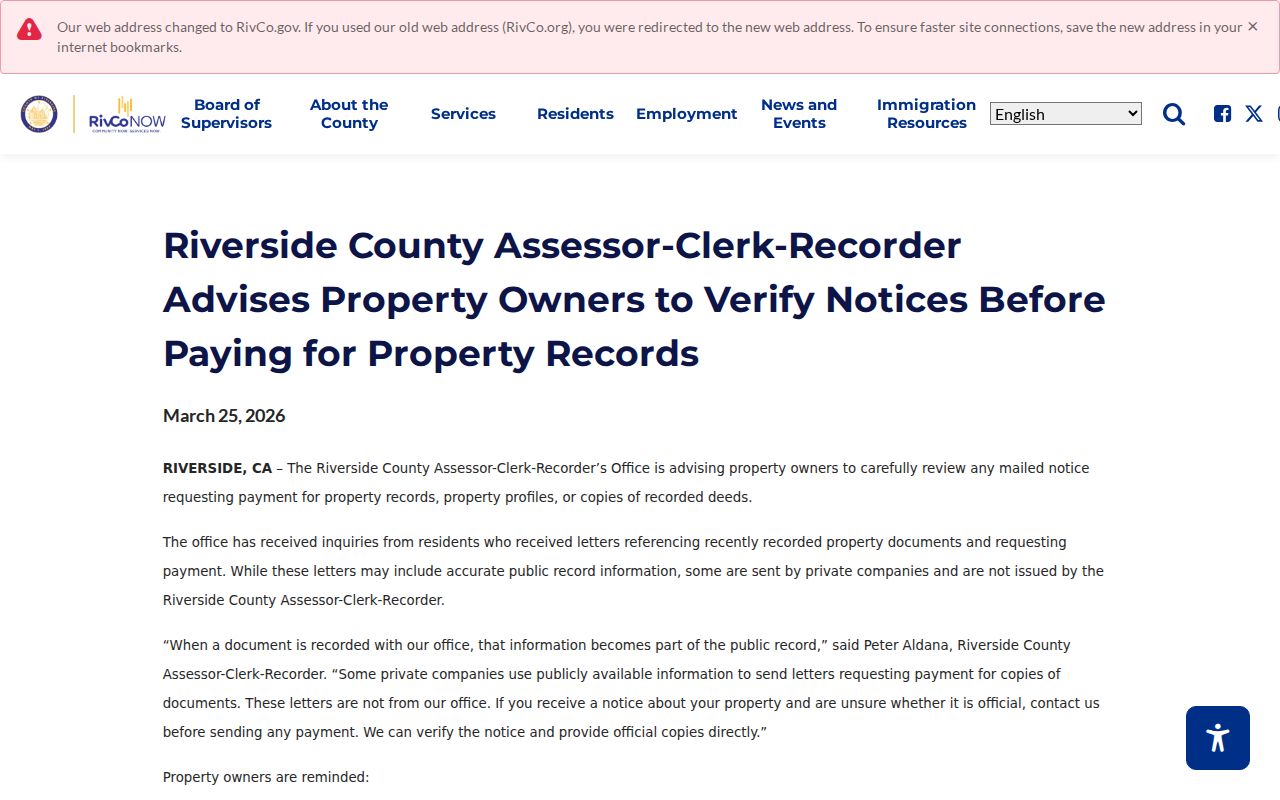
The notice is worth heeding. Order official copies from the county instead of paying an unsolicited private letter that lands in a Banning mailbox unannounced.
A Banning Resident Match Still Needs Proof
Build a match in layers. A certified record tied to a unique number or a legal description beats any directory lead. An official current index comes next in weight. A phone book, a newspaper item, a business filing, or an unclaimed-property result can point you toward past residents of Banning, but none of them proves current residence on its own.
- Roll
- A list kept for a defined purpose, such as assessment or voter registration, not a universal household list.
- Index
- A searchable pointer to a document or case. The underlying image or file may hold more detail.
- Parcel
- A mapped unit used by the assessor. It can contain land, structures, common areas, or no situs address.
- Grantor and grantee
- The grantor transfers an interest; the grantee receives it. The roles change as a deed chain moves backward.
| Official record trail | Directory or commercial clue |
|---|---|
| Shows a defined role, date, office, and record number | May merge names or preserve an old listing |
| Can be checked with the custodian | Needs a second source before identification |
| May be limited by law or eligibility | Does not override a protected-address rule |
Lawful personal research. Use Banning records for family history, property history, civic research, reconnecting, or another lawful personal purpose. Do not use a result to stalk, harass, threaten, or harm anyone.
Keep a research log. Record the portal, the spelling used, the date range, the coverage cutoff, and every negative search. "No online result" means not found in that system for that period, not that no record exists anywhere in the Banning records office or beyond.